Your Immigration Counsel
I-601 Waiver Lawyer in Seattle
Ankeny Law is a Veteran-Owned Small Business led by Jason Ankeny, a U.S. Army Military Police Corps veteran with more than 15 years as a federal officer in immigration and customs enforcement, plus 30 years of combined experience in that field and international trade. Every I-601 case benefits from his firsthand knowledge of how officers actually weigh what a family submits.
The I-601 is one of the most critical tools available in United States immigration law. If you have been found inadmissible, whether from an overstay, certain criminal history, health-related findings, or another legal barrier, the I-601 offers a lawful pathway to entry, adjustment of status, or an immigrant visa.

Washington State Bar Licensed
Corporate Immigration Specialists
AILA Member Attorney
4.9 · 65 Google Reviews

Lawyer for I-601 Waiver Services in Seattle
At Ankeny Law, our I-601 attorneys understand just how much is at stake when a family’s future or a business’s cross-border operations depend on the outcome.
Why Do Clients Choose Ankeny Law for I-601 Waivers?
Choosing the right immigration lawyer for an I-601 case can make all the difference between success and denial. Ankeny Law stands apart because of its focused expertise in cross-border immigration matters, including cases that intersect both U.S. and Canadian legal systems, which matters a great deal in this region.
The city’s position as a gateway between the U.S. and Canada means many residents and businesses face immigration challenges that span two national legal frameworks. As a former U.S. Customs and Border Protection (CBP) Officer, lead attorney Jason Ankeny understands how these determinations are made at the border and what it takes to build a compelling case for relief. Every client receives personalized attention and a tailored legal strategy. There are no one-size-fits-all approaches here.
What truly sets Ankeny Law apart is the firm’s commitment to discretion, thoroughness, and representation focused on the person in front of us. Our team takes the time to understand your circumstances, goals, and concerns before building a strategy grounded in how these cases are actually adjudicated. Whether you are petitioning for a spouse or a lawful permanent resident helping a loved one toward residence and eventually citizenship, Ankeny Law can guide you through even the most difficult situations with confidence and clarity.


Understanding Grounds of Inadmissibility and the Role of an I-601 Waiver
These arise from a wide range of circumstances: an overstay producing a 3-year or 10-year bar, certain criminal convictions, misrepresentation, and health-related findings. Each requires a distinct legal approach, and what you must show can vary significantly from one case to the next. In most situations the applicant has to demonstrate that a qualifying relative, typically a spouse or parent who is a lawful permanent resident or U.S. national, would suffer extreme hardship if the I-601 were denied.
For those navigating cross-border matters in the Pacific Northwest, the complexity of these cases demands guidance from professionals who are well-versed in federal immigration statutes and familiar with the particular dynamics of the U.S.-Canada border. Ankeny Law brings that experience directly to your case.
The Application Process: Step-by-Step Guidance
The I-601 process is multi-faceted and demands meticulous attention at every stage. Ankeny Law guides you through each step so nothing is overlooked and everything you submit lands as compellingly as it can.

Common Challenges in I-601 Waivers
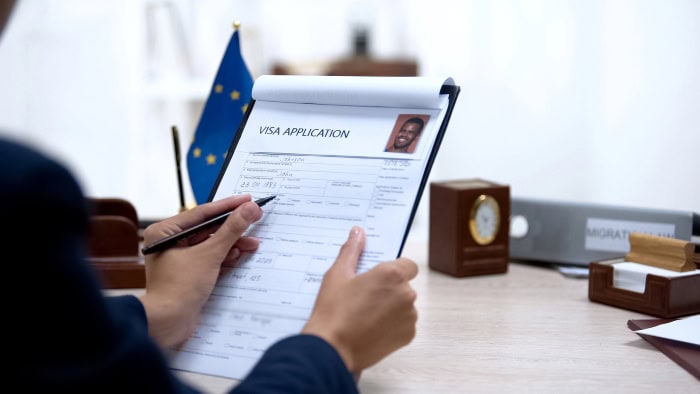
I-601 cases are among the most demanding in immigration law, and several common challenges can complicate the path forward.
What Sets Ankeny Law Apart as an Immigration Lawyer
Ankeny Law has built a strong reputation for results-driven representation in I-601 cases. That comes from deep legal knowledge, strategic case preparation, and a genuine commitment to each outcome.
Jason Ankeny’s familiarity with both U.S. and Canadian immigration law is a significant advantage for cross-border cases that involve cross-border considerations. His background as a former CBP Officer means he has direct experience with how these issues arise at the border, and that insight informs every I-601 strategy he develops. Understanding how a decision in one jurisdiction affects eligibility in another is often pivotal.
Ankeny Law’s ability to navigate the standards involved in residence cases, immigrant visas, and the waivers that address them means you can trust that your matter is handled with real professional skill and personal dedication.

Getting Started: Your First Steps
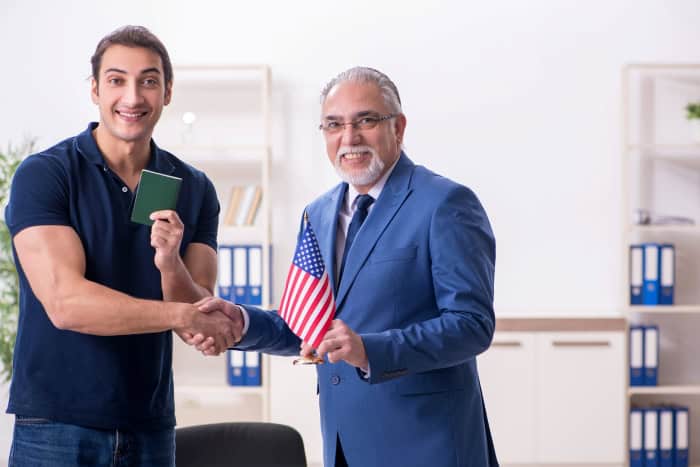
Taking the first step toward resolving an immigration barrier can feel overwhelming. It does not have to be. Ankeny Law makes it straightforward to begin: in your initial consultation, our immigration lawyer will walk through your situation, explain your options, and start outlining a strategy built for your circumstances.
Expect a candid discussion of your case’s strengths, its challenges, and what is realistic. Transparency is a cornerstone of how this firm works, and the sooner you reach out, the sooner your legal team can begin building the strongest possible I-601 on your behalf.
Waiver and Inadmissibility Guides and Answers
This is where cases are won or lost. These guides map the bars, the waivers that address them, and the mistakes that cost families years.
- Grounds of Inadmissibility That Require an I-601 Waiver
- Health-Related Grounds of Inadmissibility and Waiver Options
- How Long Does It Take To Get A US Entry Waiver Approved?
- I-601 Waiver Denials: Why They Happen and What to Do Next
- Unlawful Presence Bars: 3-Year, 10-Year, and How to Overcome Them
- US Entry Waiver Fees May Increase 377% With USCIS Proposed Rule
- What Is an I-601 Waiver and Who Needs One?
Contact Ankeny Law Today
If you or someone you love is facing a bar to entry and needs an experienced immigration lawyer, now is the time to act. Ankeny Law is ready to stand beside you through every step of the I-601 process. Contact us today to schedule your consultation and take the first step toward lawful status and, in time, citizenship in the United States.
Seattle Office 506 2nd Ave, Suite 1400 | Seattle, WA 98104 (206) 686-1589
Vancouver Office 666 Burrard St Ste 500, Vancouver, BC V6C 2X8 604-314-1848